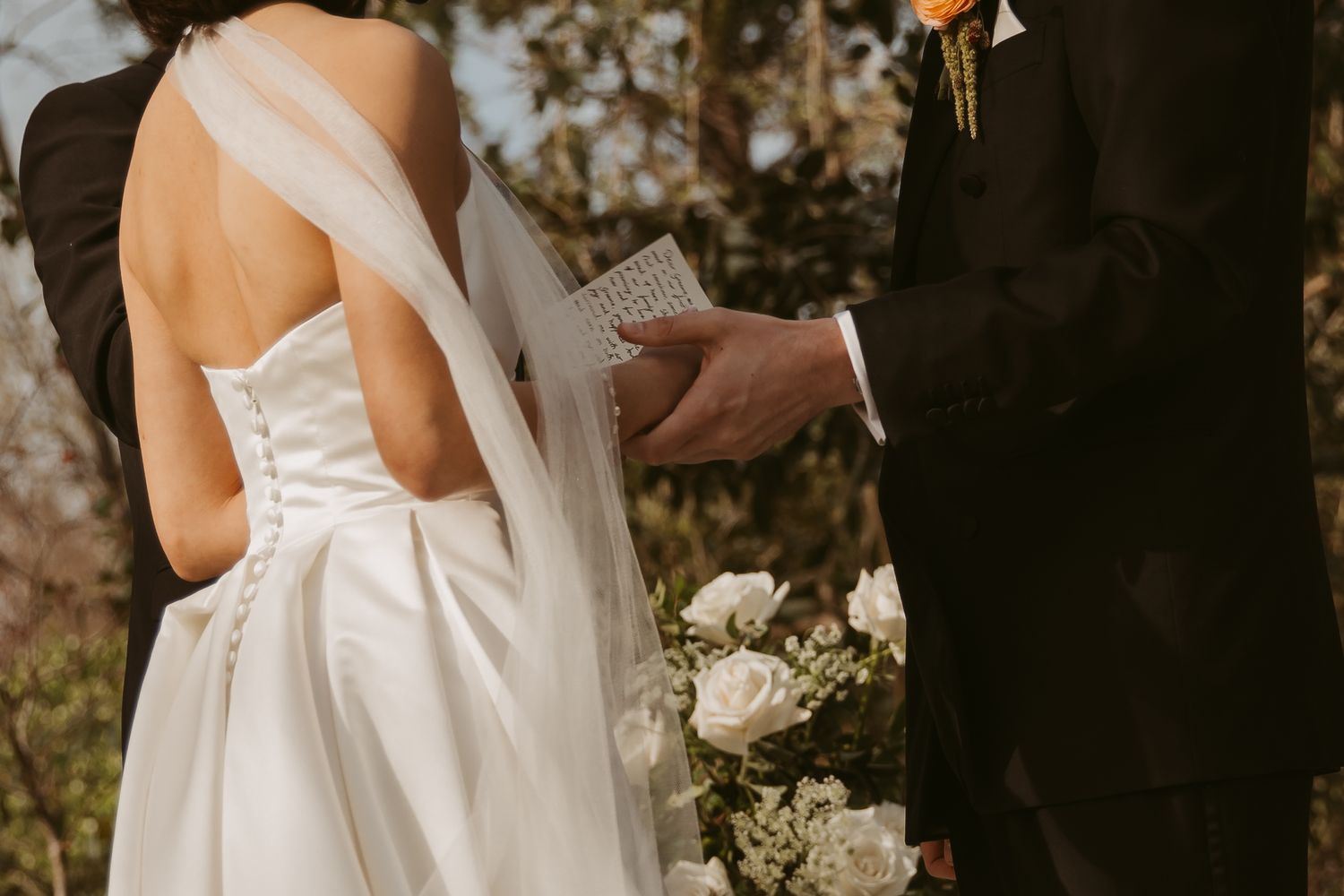
If you're searching for how to create the perfect wedding day timeline, you're probably realizing just how many moving pieces go into planning a wedding. The good news? You don't have to figure it out alone.
As a Fort Worth wedding photographer, I've photographed weddings of all sizes, from intimate courthouse ceremonies to full-day celebrations with hundreds of guests. If there's one thing I've learned, it's this: a thoughtful timeline can completely transform your wedding day experience.
Your timeline isn't about scheduling every minute or making the day feel rigid. It's about creating space. Space to breathe, to be present, to spend time with your favorite people, and to actually enjoy the day you've spent months planning.
One of the biggest misconceptions couples have is that the timeline exists for the vendors. While it certainly helps your photographer, planner, DJ, florist, and venue stay on the same page, it's really designed to serve you. A well-planned timeline reduces stress, keeps everyone informed, and helps the day flow naturally without feeling rushed.
My goal with every wedding is simple: I want you to remember how your day felt, not how hurried it was.
Whether you're planning a wedding in Fort Worth, Dallas, the Texas Hill Country, or somewhere across the country, these tips will help you build a timeline that allows you to soak in every moment.
Why Your Wedding Timeline Matters More Than You Think
When people think about wedding photography, they often focus on cameras, editing style, or posing. While those things certainly matter, the quality of your experience and your photographs often comes down to something much simpler.
Time.
The best wedding photos aren't created because someone has an expensive camera. They're created when couples have the time to slow down, laugh together, hug their families, and experience the day naturally.
Without enough time, everything begins to feel rushed. Hair and makeup runs behind. Family members disappear when you need them. Sunset arrives before portraits happen. Dinner starts late.
Instead of enjoying the day, you're constantly wondering what's next. A good timeline prevents that.
It creates room for unexpected moments because, trust me, something unexpected almost always happens. Maybe someone forgets the rings in the hotel room. Maybe grandma wants a few extra photos. Maybe everyone gets caught up laughing during cocktail hour. Those moments aren't problems. They're memories. Building flexibility into your timeline means they don't become stressful.
I've seen weddings where everything ran thirty minutes behind, but because we had built in extra time throughout the day, no one even noticed.
I've also seen weddings with timelines packed so tightly that being five minutes behind in the morning caused a domino effect that lasted until the last dance.
The goal isn't perfection, the goal is giving yourselves enough breathing room to fully experience one of the most meaningful days of your lives.
Where To Start:
When couples begin planning their wedding day, they often start by the first thing in the morning. Instead, I always recommend working backwards from your ceremony.
Your ceremony is the one event that usually can't move. Guests have arrived, your officiant is ready, and the venue has everything prepared.
Once you know exactly when you'll say "I do," everything else can naturally fall into place.
For example, if your ceremony begins at 5:00 PM, we can determine:
- When family photos should happen
- If you're having a first look, when that should happen
- When your photographer should arrive
- When hair and makeup needs to be finished
- When everyone should get dressed
- What time transportation should arrive
- When couple portraits will happen
Working backwards creates a timeline that feels intentional instead of pieced together.
If you're getting married in Texas, don't forget to consider the season. Sunset in June can be close to 8:30 PM, while winter weddings may lose daylight before 5:30 PM. This dramatically changes when portraits should happen.
Your venue coordinator, planner, and photographer should all work together to create a timeline that takes your ceremony time, lighting, and priorities into account.
Should You Have a First Look?
The answer?
There's no right or wrong choice. It depends entirely on what feels most meaningful to you.
A first look is when you see each other before the ceremony, away from your guests. It's a quiet, intimate moment where you can exchange hugs, private vows, laugh together, cry, or simply enjoy being together before everything begins.
Some couples absolutely love this option because it calms their nerves.
Others have dreamed of seeing each other for the very first time walking down the aisle.
Both are beautiful.
One of the biggest advantages is that it gives you more time together on your wedding day.
Instead of spending cocktail hour taking portraits, you'll likely be able to join your guests sooner.
A first look also allows us to complete many of your portraits before the ceremony, including:
Couple portraits
Wedding party photos
Individual portraits
Sometimes even immediate family photos
This creates a much more relaxed afternoon and gives you more flexibility if the timeline shifts.
Many couples are surprised by how emotional their first look becomes. Without an audience, there's space to simply be yourselves.
If you've always imagined locking eyes for the first time as you walk down the aisle, don't feel pressured into changing that.
There is something incredibly special about that moment.
The anticipation.
Your guests standing.
The music beginning.
The emotion that fills the room.
Those memories are unforgettable.
Choosing not to do a first look simply means we'll photograph most portraits after the ceremony, so it's important to allow enough time before reception entrance or sunset.
Plan Around the Best Light
The difference between harsh afternoon sunlight and soft evening light can completely transform your photographs.
While I can create beautiful images in almost any lighting condition, scheduling portraits during the best light gives you those warm, timeless images that so many couples love.
Photographers often refer to this as "golden hour," the hour before sunset when the light becomes soft, warm, and flattering.
If your timeline allows, I almost always recommend stepping away from your reception for about 15 to 20 minutes during golden hour.
These often become the photographs couples print for their walls. It's also one of the only quiet moments you'll have together all day. You finally have a chance to breathe.
To hold hands.
To talk about the ceremony.
To laugh about something that happened during dinner.
To simply realize...
"We're married."
Some of my favorite images aren't created because I'm directing every movement. They're created because couples have a few uninterrupted minutes together while the sun sets behind them.
If your ceremony is earlier in the day, don't worry. We can still create beautiful portraits before the ceremony, after the ceremony, or even step outside for a few minutes once the light softens.
Every wedding is different, which is why I build timelines around your venue, your season, and the natural light available on your wedding day.
One thing I always tell my couples is this: don't plan your day around photography. Plan it around your experience. My job is to help photography fit naturally into your day while making sure you have beautiful images that tell the full story.
Build in More Buffer Time Than You Think You'll Need
No wedding day runs exactly according to schedule, and that's okay.
Someone will need a few extra minutes getting dressed. A family member might step away right before family photos. Hair and makeup could run a little behind. Your best friend might pull you aside for an emotional hug that you never expected.
Those aren't interruptions. They're part of your story.
The problem isn't when things take a little longer than planned. The problem is when the timeline doesn't allow for it.
I always recommend building 10 to 15 minute buffers throughout the day whenever possible. Those extra minutes create breathing room and help everyone stay relaxed if something unexpected comes up.
When couples ask me what makes a wedding day feel effortless, it's almost never because everything happened exactly on time. It's because they weren't constantly looking at the clock.
How Long Wedding Photos Actually Take?
The good news is that most photo coverage isn't spent standing in one place smiling at the camera. My approach is focused on movement, connection, and documenting the moments as they naturally unfold.
Here's a general idea of how long different parts of the day typically take:
Wedding Details
45 minutes to 1 hour
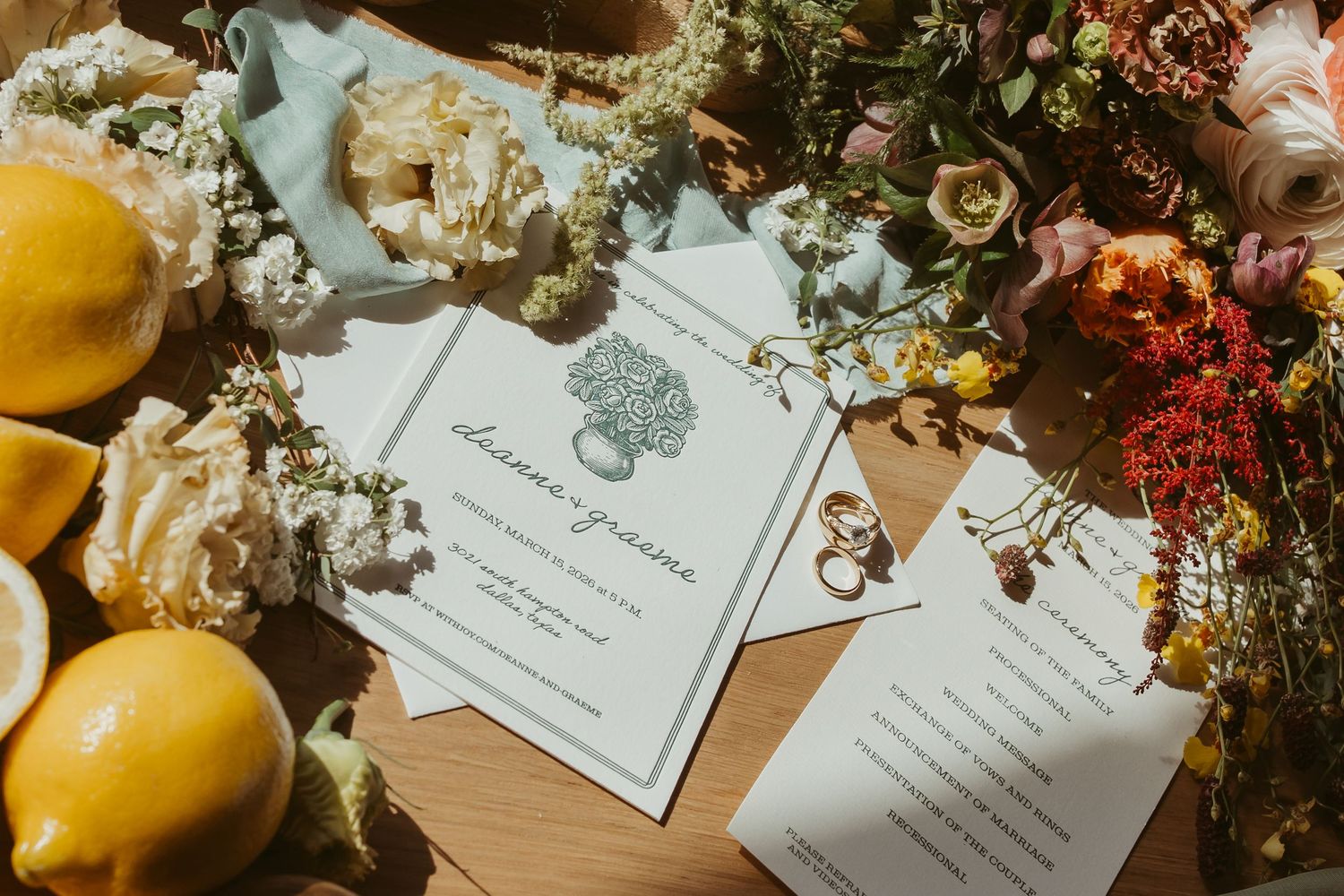
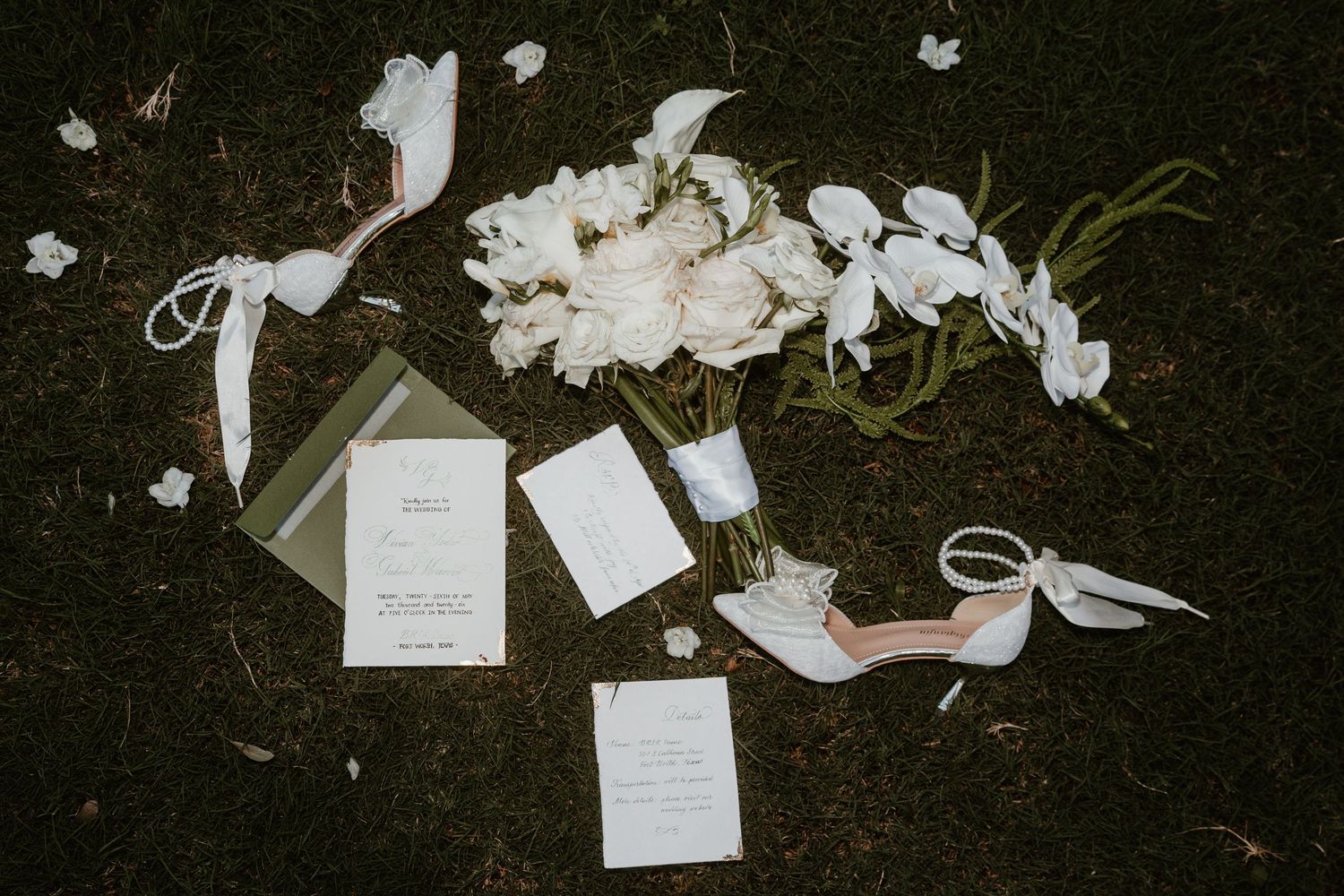
This includes your dress, shoes, jewelry, invitations, rings, florals, perfume, heirlooms, the venue, decorations set up, and any meaningful details you've chosen for your day.
Getting Ready
45 to 90 minutes
This allows time for finishing touches, candid moments with your wedding party, helping each other get dressed, reading letters, and those emotional reactions from parents or loved ones.
First Look
15 to 20 minutes
This isn't rushed. I step back and let the moment happen naturally before we move into portraits. I recommend doing first looks no later than 2 hours before your ceremony time to allow for portraits and still aloow you to step away for touchups and to hideaway as gusts arrive.
Couple Portraits
45 minutes to 1 hour
This is often split into two sessions if we're taking advantage of golden hour later in the evening.
Wedding Party Photos
30 to 45 minutes
The exact timing depends on the size of your wedding party and whether everyone is in one location.
Immediate Family Photos
20 to 30 minutes
Having a family photo list ahead of time helps this portion move quickly while making sure no important combinations are missed.
Extended Family Photos
20 to 30 minutes
If you're including grandparents, cousins, aunts, uncles, or larger family groupings, it's helpful to set aside a little extra time.
One thing I remind every couple is that these aren't rigid rules. Every wedding is unique, and I'll help create a timeline that's customized to your day instead of forcing your day into a template.
Sample Timeline With a First Look
11:00 AM - Photographer Arrives / Detail Photos
12:00 PM - Candid Getting Ready
12:30 PM - Getting into Dress / Getting Ready Bridals
1:00 PM - First Look with Dad
1:15 PM - Bride Solo Portraits
1:40 PM - Bridal Party Portraits
2:00 PM - Groom Solo Portraits
2:15 PM - Grooms Party Portraits
2:30 PM - First Look with Couple
3:00 PM - Couple Portraits
3:30 PM - Full Wedding Party Portraits
4:00 PM - Couple Hides Away / Touch Ups / Guests Start Arriving
5:00 PM - Ceremony
5:30 PM - Family Portraits / Cocktail Hour Starts
6:00 PM - Couple Just Married Portraits / Can Join Cocktail Hour
6:30 PM - End Cocktail Hour
6:40 PM - Couple Grand Entrance to Reception
6:45 PM - Couple Thank You Speech
7:00 PM - Dinner
7:30 PM - Speeches and Toasts
7:45 PM - First Dance
7:50 PM - Special Dances
8:00 PM - Open Dance Floor / Couple Steps Aside for Golden Hour Photos
8:20 PM - Cake Cutting
8:30 PM - Bouquet Toss
8:40 PM - Party!
10:00 PM - End Photography Coverage
Sample Timeline Without a First Look
11:00 AM - Photographer Arrives / Detail Photos
12:00 PM - Candid Getting Ready
12:30 PM - Getting into Dress / Getting Ready Bridals
1:00 PM - First Look with Dad
1:15 PM - Bride Solo Portraits
2:00 PM - Bridal Party Portraits
2:45 PM - Groom Solo Portraits
3:15 PM - Grooms Party Portraits
4:00 PM - Couple Hides Away / Touch Ups / Guests Start Arriving
5:00 PM - Ceremony
5:30 PM - Family Portraits / Cocktail Hour Starts
6:00 PM - Full Wedding Party Portraits
6:20 PM - Couple Portraits
6:50 PM - End Cocktail Hour
7:00 PM - Couple Grand Entrance to Reception
7:05 PM - Couple Thank You Speech
7:15 PM - Dinner
7:45 PM - Speeches and Toasts
8:00 PM - First Dance
8:05 PM - Special Dances
8:15 PM - Open Dance Floor / Couple Steps Aside for Golden Hour Photos
8:40 PM - Cake Cutting
8:50 PM - Bouquet Toss
9:00 PM - Party!
10:00 PM - End Photography Coverage
If you are searching for a Dallas/Fort Worth wedding photographer who values genuine moments and intentional storytelling, I would love to connect.