How to Master the Art of Flat Lays: A Beginner's Guide for New Photographers
Whether you're snapping content for Instagram, building a portfolio, or just want to experiment with creative compositions, mastering flat lays is a great skill for any new photographer. Flat lays—photos taken from directly above—are all about storytelling through objects. Done right, they’re eye-catching, clean, and incredibly scroll-stopping.
If you’re just starting out, don’t worry! This guide will walk you through the essentials to start creating stunning flat lays today.
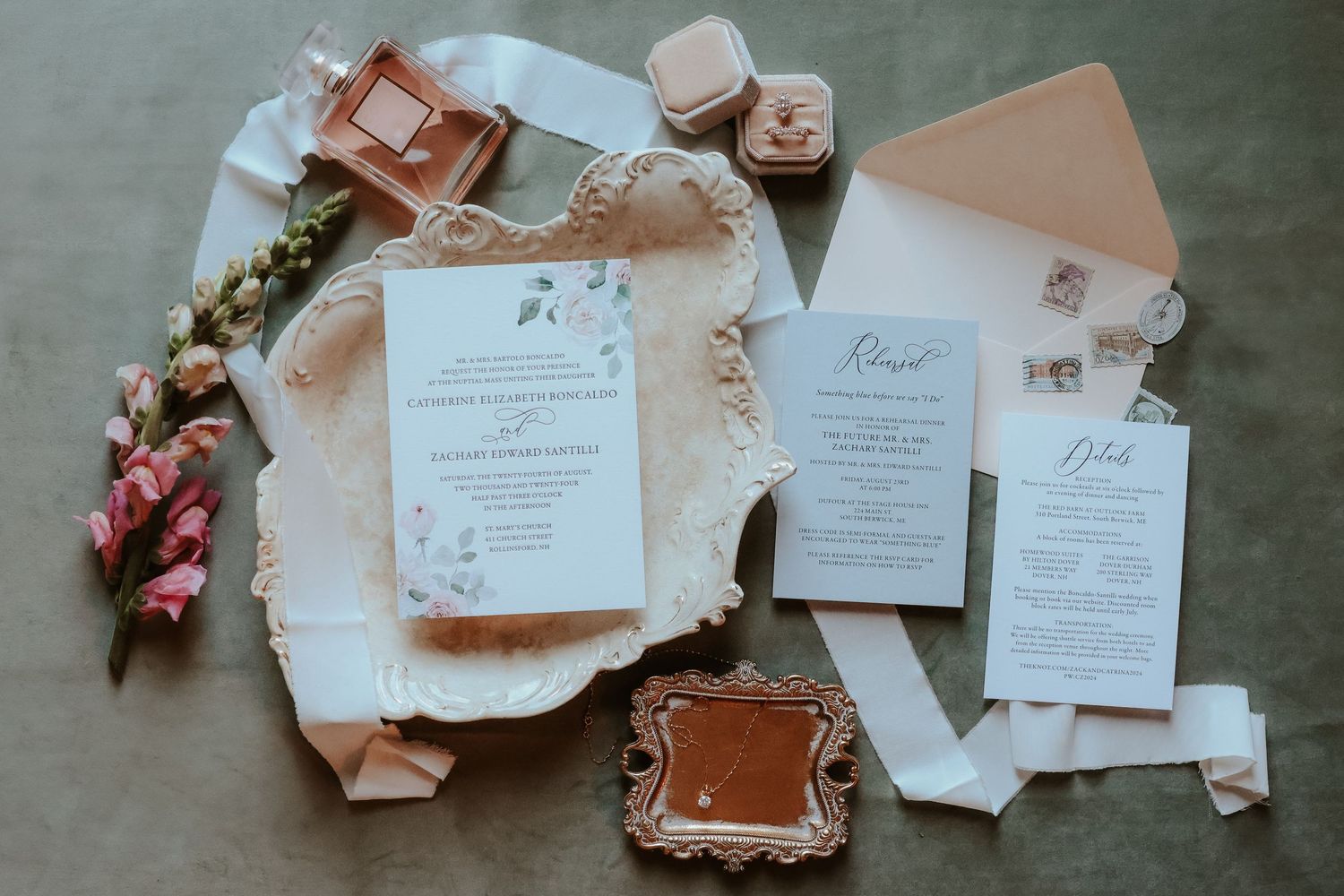
What Are Flat Lays?
A flat lay is a photograph taken from directly above a subject or arrangement of items laid out on a flat surface. Think of it like arranging items on a table, then hovering directly over them with your camera to capture the scene. The result is a clean, curated bird’s-eye view.
In weddings, flat lays typically include:
- Wedding invitations and stationery
- Rings and vow books
- Jewelry or cufflinks
- Floral accents or petals
- Perfume, watches, or shoes
- Fabrics like ribbon, lace, or veil pieces
These images are all about capturing the small but sentimental details—the heirloom ring, the handwritten vows, or custom calligraphy—that help tell a complete story of the day.
Why Flat Lays Matter (Especially for New Photographers)
These are the details! And the details make up the day. The big moments and big pieces are of course super important, but consider these a little extra seasoning to your galleries that highlights the little pieces that we don't want to forget, like small family heirlooms, or the perfume that was worn.
Flat lays are more than just pretty filler. They:
- Showcase the details couples carefully selected—often months in advance
- Add variety to your wedding gallery and album
- Give vendors and creatives styled content (like florists, stationery artists, and planners)
- Set the tone for the gallery with editorial, magazine-style imagery
- Showcase your artistic style and attract ideal future clients
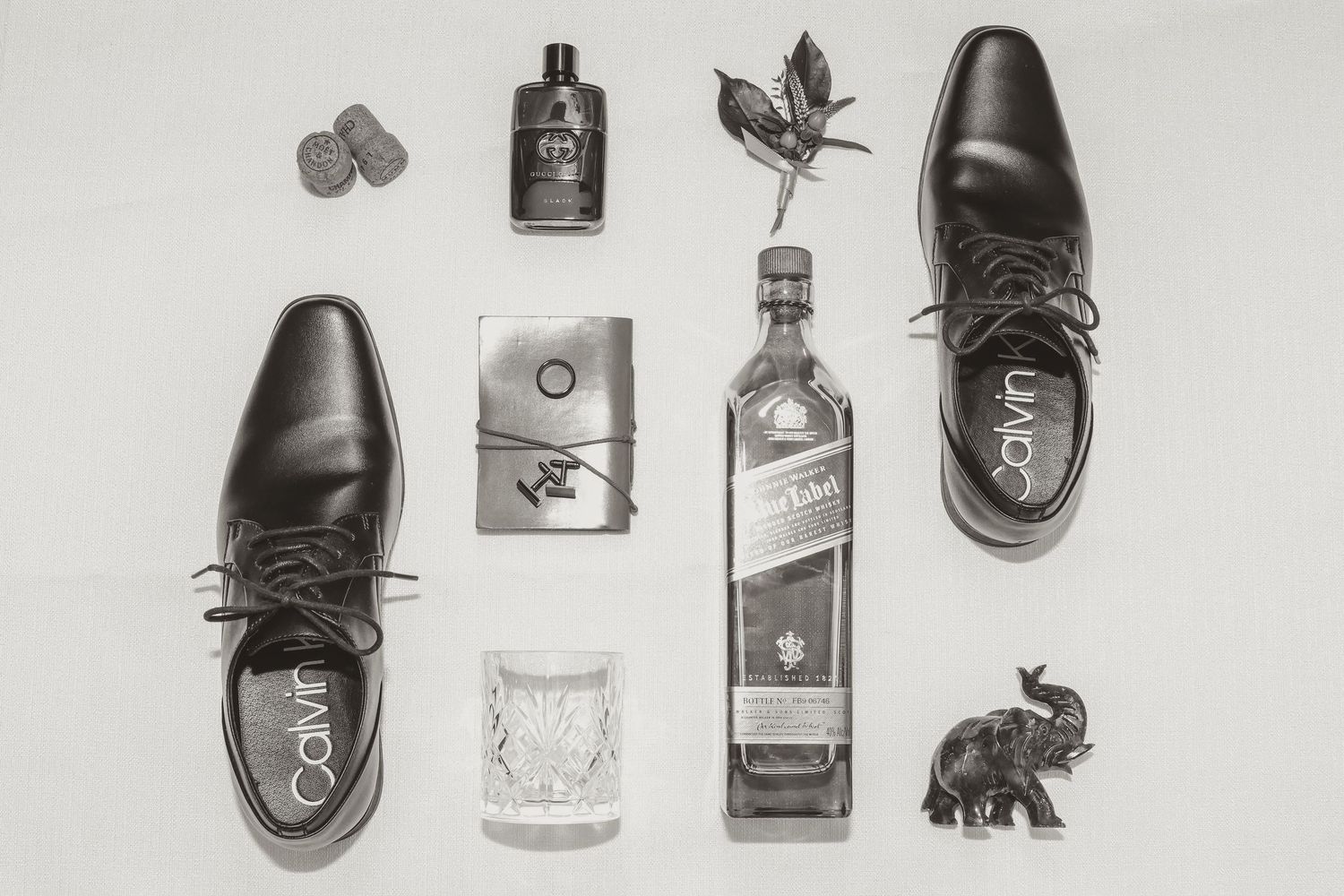
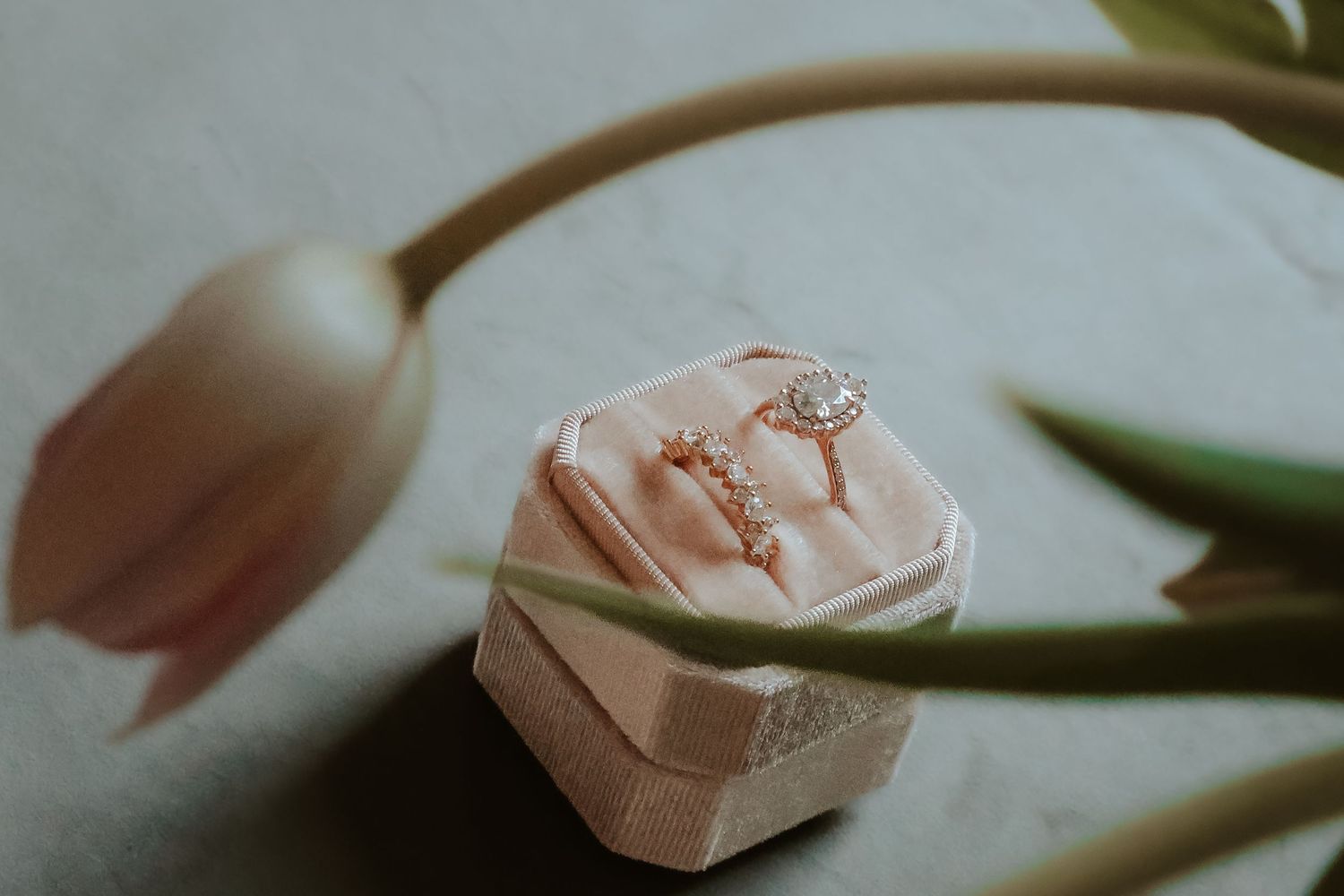
1. Gather the Details Ahead of Time
Before the big day:
Ask your couple (or planner) to prepare a detail box with everything they want photographed. Downloadable list available at bottom of this blog post!
Don’t forget styling items: ribbons, stamps, or wax seals.
**Bonus: Bring a “flat lay styling kit” with neutral ribbons, small risers, vintage stamps, a ring dish, small scissors, and a few fabric swatches.
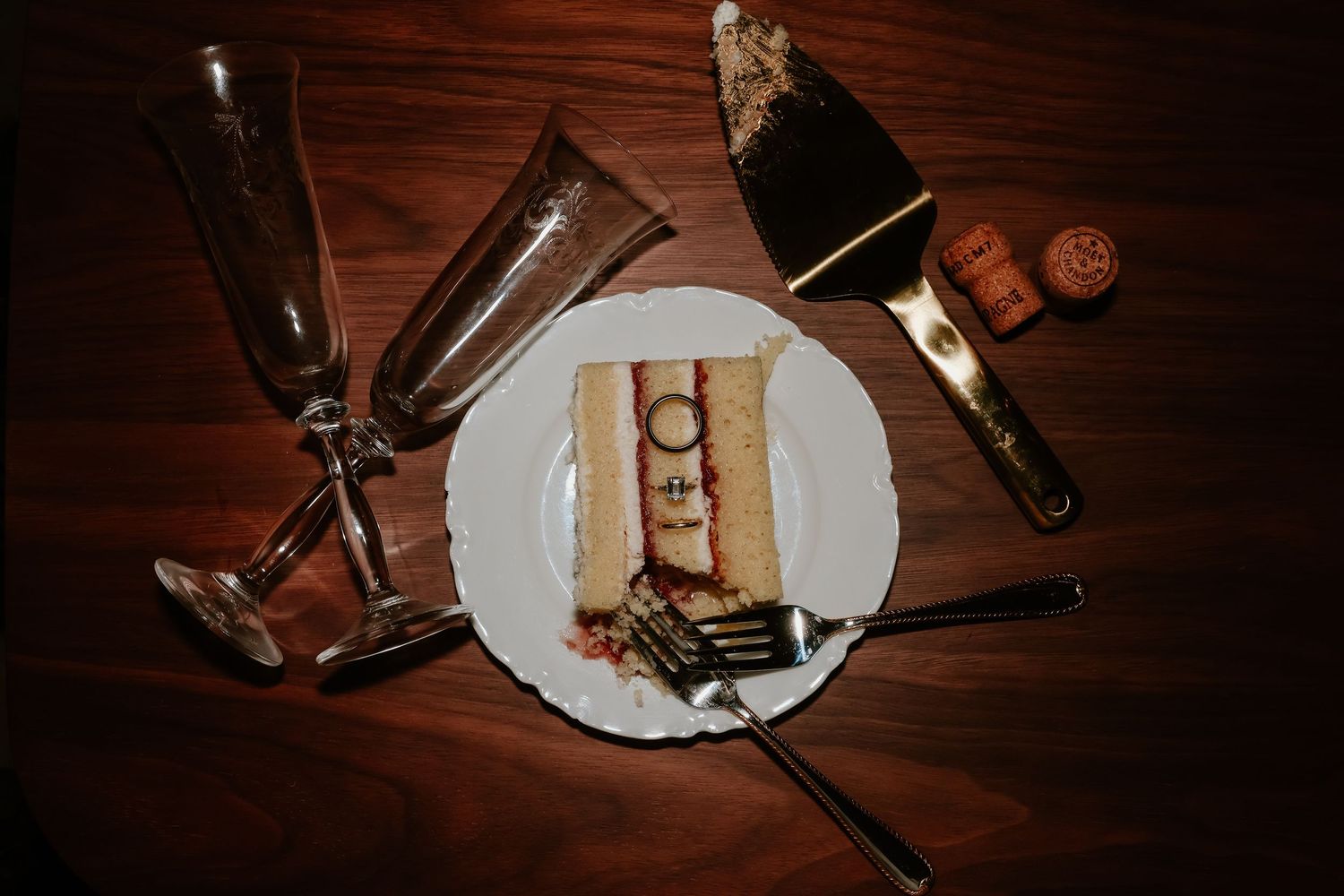
2. Find the Right Light and Surface
Use natural light from a nearby window for soft, flattering results.
Avoid harsh midday sun—diffuse with a sheer curtain if needed.
Use a styling board or textured fabric as your background. Good starter colors: soft linen, cream, dusty blue, or warm gray.
**Bonus: reception flat lays are a great way to get a little messy and creative! Flash can bring a different vibe and element to these
3. Plan a Balanced Layout
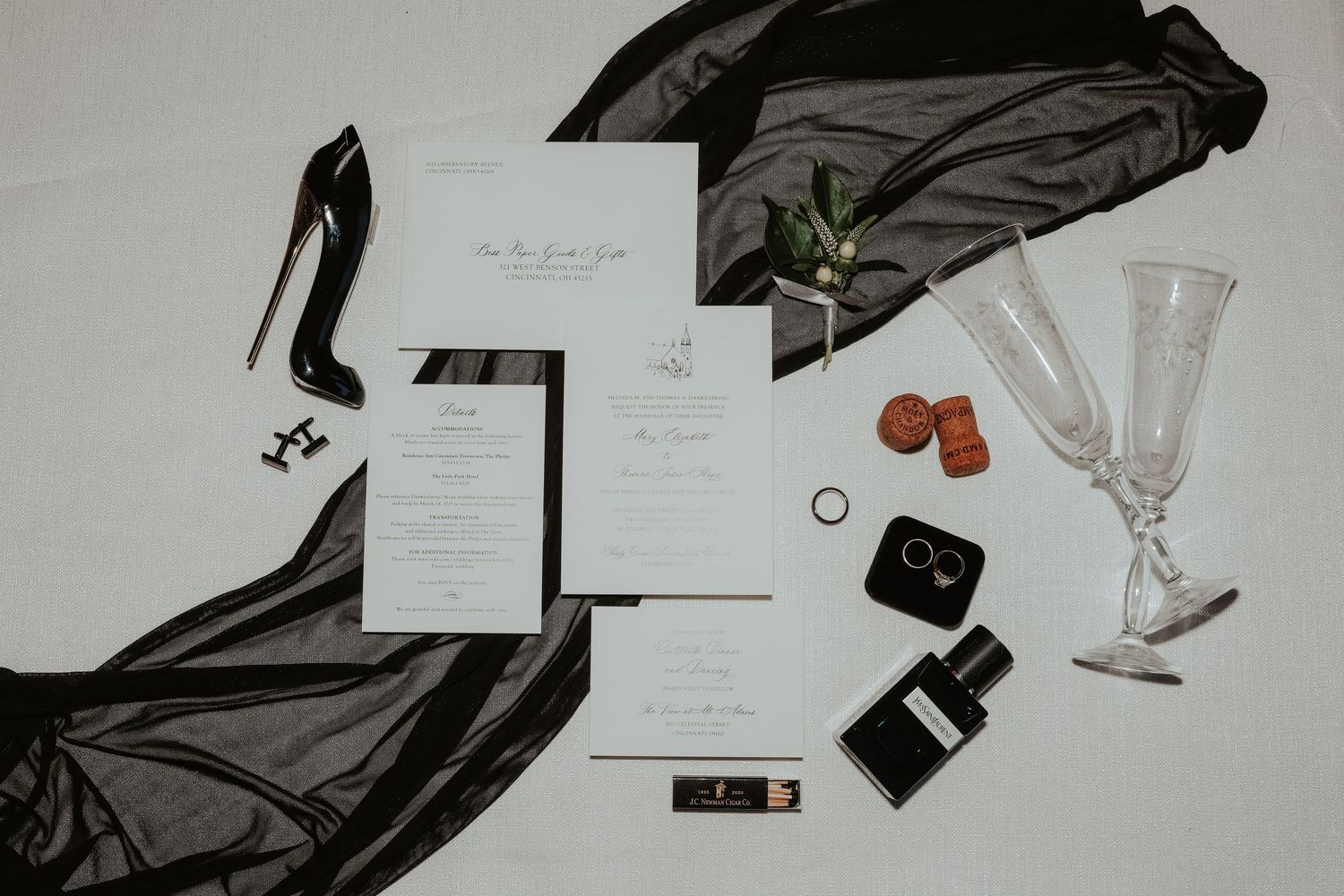
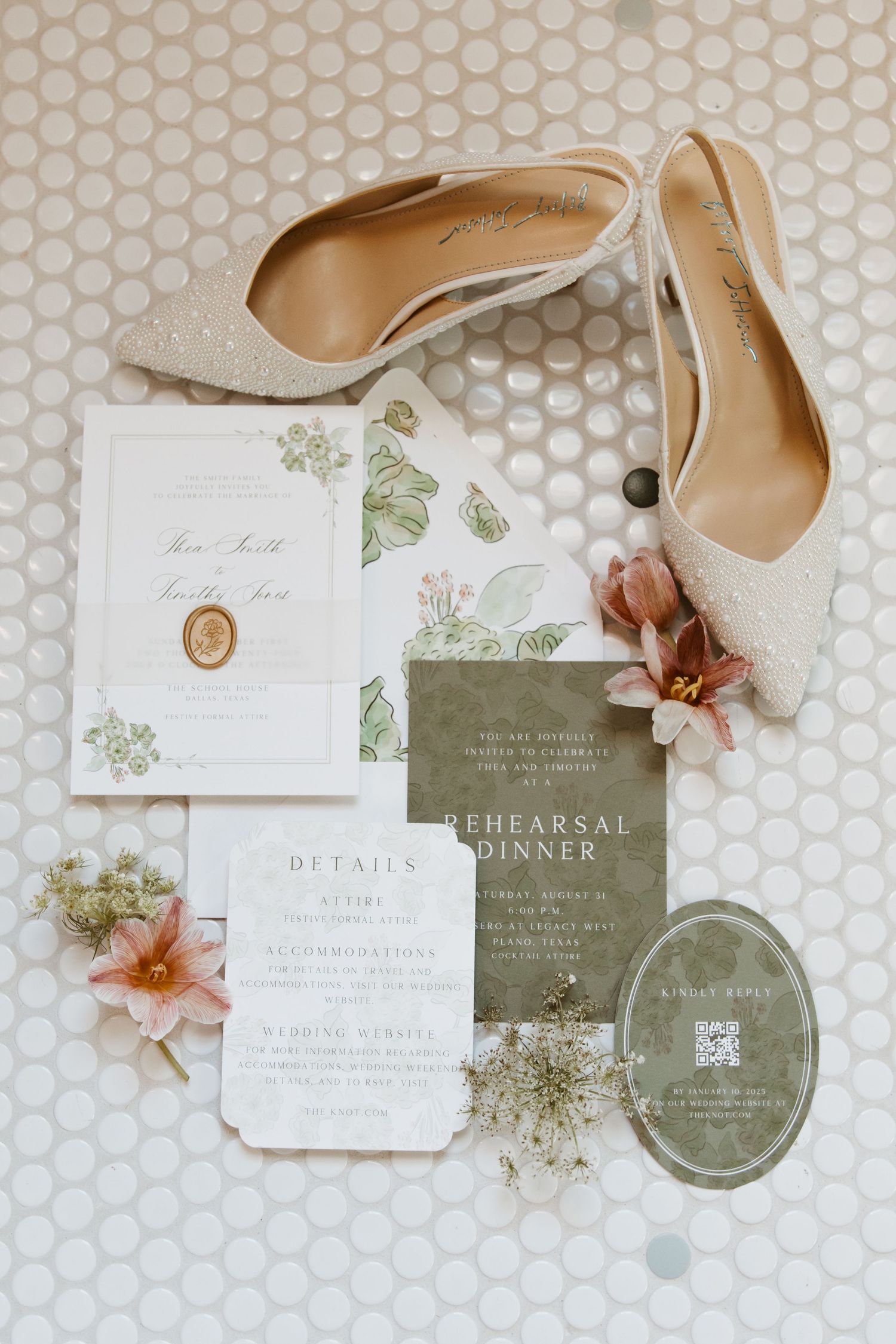
Start with the stationery suite or a hero item (like the invitation), then build around it.
Tips for layout:
- Keep items aligned or gently angled for visual flow.
- Leave breathing room around key elements.
- Use layering: Stack envelopes or place florals under a ribbon.
- Work in thirds: Place visual interest in multiple areas of the frame to create balance.
4. Add Emotional or Personal Touches
Flat lays should reflect the couple’s personality. Some ideas:
- A wax seal with their initials
- Blooms from their wedding florals
- A handwritten note or excerpt from their vows
- Their elopement location on a custom map or card
This turns a pretty layout into a meaningful story.
5. Shoot From Directly Above
Use a step stool or tripod to get directly over the scene. Make sure:
- Your camera is level to avoid distortion
- You shoot wide to allow for cropping later
- You take multiple angles and close-up crops
7. Practice Between Weddings
Don’t wait until you’re on the clock. Practice at home !
The more you shoot, the faster and more confidently you’ll style under pressure. This is also where you can get creative and try new things!
Pro Tips for Wedding Day Success
Style early: Photograph flat lays while hair and makeup is happening, before the timeline gets tight.
Keep a timeline buffer: Ask the planner for 20–30 minutes for styling for flat lays.
Use a reflector or white board to bounce light if shadows are harsh.
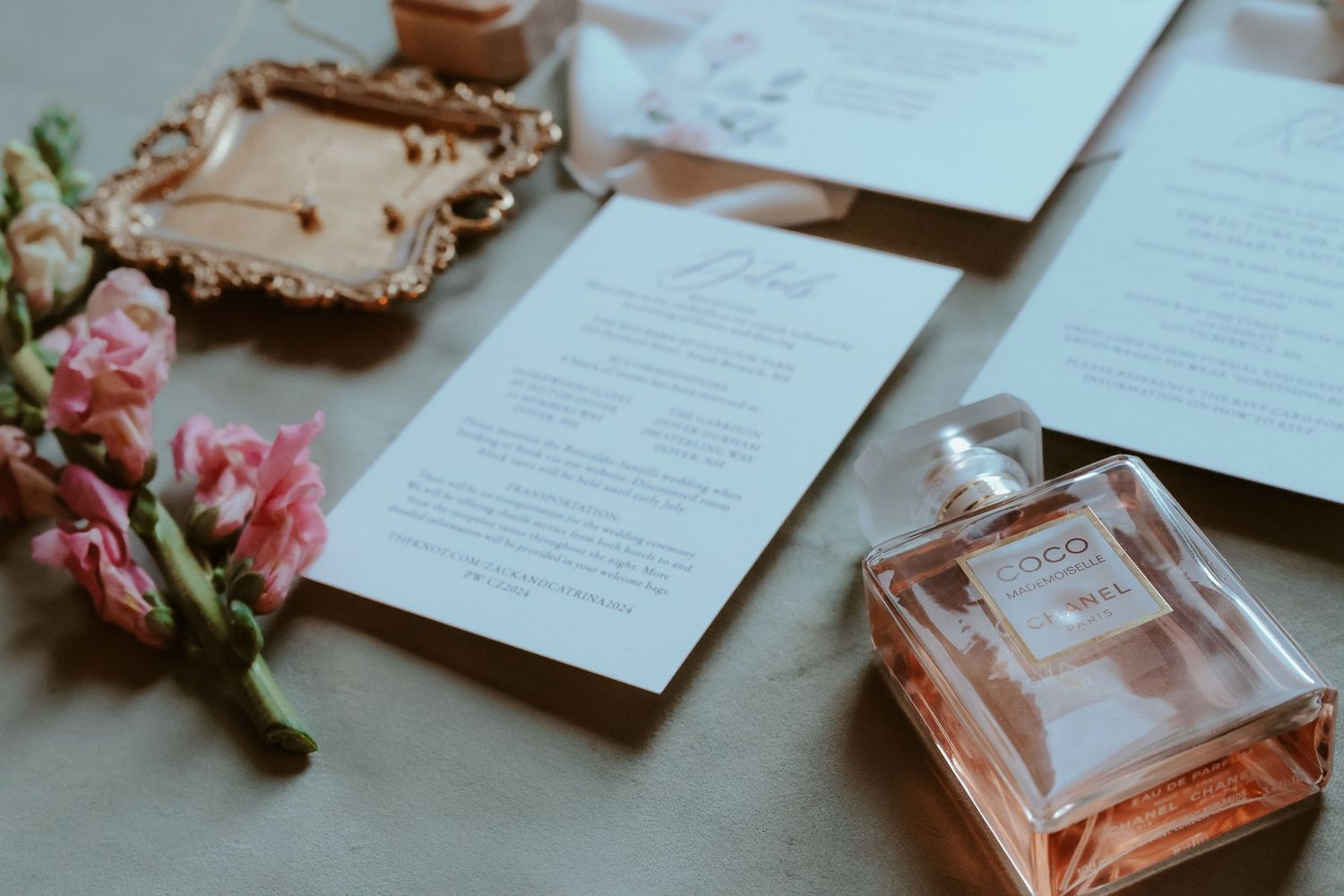
Always shoot for vendors: Capture close-ups of the stationery, ring, florals, or any custom items. Tagging them later can help grow your network.
As a wedding or elopement photographer, flat lays are your secret weapon. They not only add beauty and storytelling to your gallery but also show your professionalism, attention to detail, and creative eye.
With a little practice and preparation, you’ll be creating magazine-worthy detail shots that make couples—and vendors—fall in love with your work.
Now go style your heart out. The beauty is in the details. ✨
Get in touch